The Future of E-Commerce: What Every Online Business Needs to Know in 2026
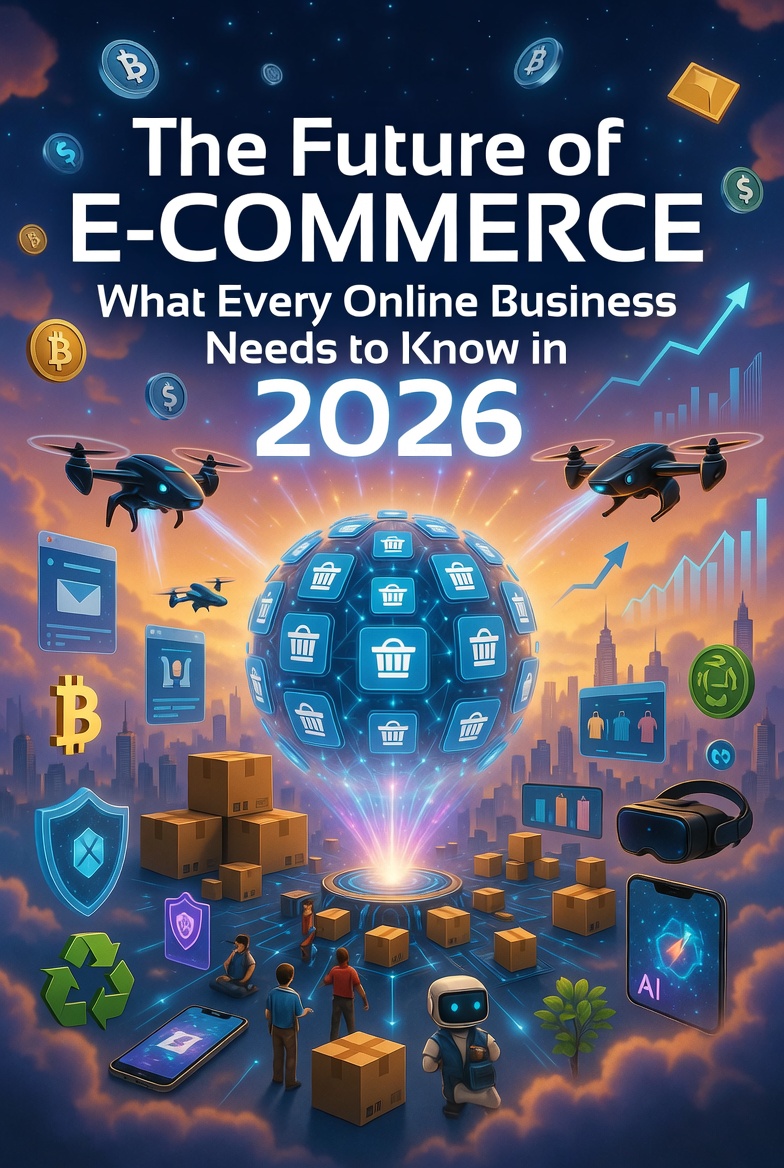
The e-commerce industry is evolving faster than ever. Consumer expectations are higher, competition is more intense, and technology is reshaping how businesses operate and how customers shop. Whether you are just starting out or already running an online store, understanding where e-commerce is heading gives you a real advantage.
Here is what every online business needs to pay attention to in 2026.
AI Is No Longer Optional Artificial intelligence has moved from a nice-to-have feature to a core business tool. In 2026, AI powers product recommendations, personalized shopping experiences, customer service chatbots, inventory forecasting, and dynamic pricing. Businesses that integrate AI into their operations respond faster, reduce costs, and deliver more relevant experiences to their customers. Those that ignore it risk falling behind competitors who are using it every day.
Personalisation Drives Sales Generic shopping experiences no longer convert the way they once did. Customers now expect online stores to understand their preferences, remember their history, and recommend products that genuinely match their needs. Personalisation — through email marketing, on-site product suggestions, and targeted offers — significantly increases both conversion rates and customer lifetime value. The data to do this well is already available to most store owners. The opportunity lies in using it intelligently.
Mobile Shopping Is the Default The majority of online shopping in 2026 happens on mobile devices. If your store is not fully optimised for mobile — fast loading, easy navigation, simple checkout — you are losing sales every single day. A mobile-first approach is no longer a design preference. It is a business requirement.
Social Commerce Is Growing Rapidly The line between social media and shopping has almost disappeared. Platforms like TikTok, Instagram, and Pinterest now allow customers to discover, evaluate, and purchase products without ever leaving the app. Brands that create engaging content and enable seamless in-app purchasing are capturing audiences at the exact moment of purchase intent. If your products are visual or lifestyle-driven, social commerce deserves serious attention.
Customers Expect Fast and Flexible Delivery Delivery speed and flexibility have become major purchasing decisions. Same-day and next-day delivery options, real-time tracking, easy returns, and multiple fulfilment choices are now standard expectations in many markets. Businesses that streamline their logistics and offer transparency throughout the delivery process earn greater customer trust and fewer support issues.
Sustainability Matters to Buyers An increasing number of consumers actively choose brands that align with their values. Sustainable packaging, ethical sourcing, carbon-neutral shipping options, and transparent business practices are no longer niche concerns — they influence purchasing decisions across a broad range of customer segments. Communicating your sustainability efforts clearly and honestly builds brand credibility and long-term loyalty.
Multi-Channel Selling Is the New Standard Relying on a single sales channel is a significant risk. Successful e-commerce businesses in 2026 sell across multiple touchpoints — their own website, major marketplaces, social platforms, and even physical pop-ups or partnerships. A multi-channel approach increases visibility, reduces dependency on any one platform, and meets customers wherever they prefer to shop.
Data Privacy Builds Trust As data regulations tighten globally and customers become more aware of how their information is used, transparency around data practices is becoming a competitive advantage. Stores that are clear about what data they collect, how it is used, and how customers can control it build stronger relationships with their audience. Trust is currency in e-commerce — handle it carefully.
Subscriptions and Loyalty Programmes Create Stability One-off transactions are valuable, but recurring revenue is what gives a business stability. Subscription models and well-structured loyalty programmes encourage repeat purchases, increase average customer lifetime value, and create a more predictable revenue stream. Even simple points-based rewards or exclusive member pricing can meaningfully improve customer retention.
The Fundamentals Still Win Amid all the technology and trends, the businesses that thrive are still the ones that get the basics right — a quality product, honest marketing, responsive customer service, and consistent delivery on their promises. Technology amplifies good business practices. It cannot replace them.
E-commerce in 2026 rewards businesses that are adaptable, customer-focused, and willing to embrace the tools available to them. The landscape will keep changing. The businesses that stay curious, keep learning, and remain genuinely committed to serving their customers well are the ones that will grow through whatever comes next.
0 Comments