SEO in M-Commerce: How to Get Your Mobile Store Found and Drive More Sales

With mobile commerce (m-commerce) continuing to dominate online shopping, simply having a mobile-friendly website is no longer enough. Customers now expect to discover products instantly through search engines, browse seamlessly on their smartphones, and complete purchases within minutes. If your mobile store isn’t optimized for search, you’re likely losing valuable traffic and potential sales to your competitors.
Search Engine Optimization (SEO) plays a crucial role in ensuring your m-commerce platform ranks higher on search engine results pages, attracts qualified visitors, and converts them into loyal customers.
What is SEO in M-Commerce?
SEO in m-commerce is the process of optimizing a mobile commerce website or mobile-first online store so that it ranks higher in search engine results. The objective is to make your products, categories, and content easily discoverable by customers searching on mobile devices.
Since the majority of online searches now happen on smartphones, search engines prioritize websites that provide an excellent mobile experience. This means factors such as page speed, usability, responsive design, and high-quality content directly impact your search rankings.
Why SEO Matters for Mobile Commerce
A well-executed SEO strategy offers several long-term advantages:
- Increases organic traffic without relying solely on paid advertising.
- Improves visibility for product and category pages.
- Builds customer trust through higher search rankings.
- Delivers a better mobile shopping experience.
- Generates sustainable, long-term sales growth.
- Reduces customer acquisition costs over time.
Unlike paid campaigns that stop generating traffic once the budget ends, SEO continues to deliver results long after the initial optimization is complete.
Essential SEO Strategies for M-Commerce
1. Optimize for Mobile-First Indexing
Search engines primarily evaluate the mobile version of your website when determining rankings. Your mobile site should:
- Load quickly.
- Display correctly across all screen sizes.
- Offer intuitive navigation.
- Use readable fonts and properly sized buttons.
- Avoid intrusive pop-ups that interrupt the shopping experience.
A responsive website ensures customers enjoy a smooth browsing experience regardless of the device they use.
2. Improve Website Speed
Speed is one of the most important ranking factors for mobile websites.
To improve loading times:
- Compress product images without sacrificing quality.
- Use modern image formats such as WebP.
- Minimize JavaScript and CSS files.
- Enable browser caching.
- Utilize a Content Delivery Network (CDN).
- Reduce unnecessary third-party scripts.
Even a one-second delay can significantly increase bounce rates and reduce conversions.
3. Optimize Product Pages
Every product page should include:
- Unique product titles.
- Keyword-rich meta descriptions.
- Clear product descriptions.
- High-quality optimized images with descriptive alt text.
- Customer reviews.
- Structured pricing information.
Avoid copying manufacturer descriptions, as duplicate content can negatively affect search rankings.
4. Use Keyword Research Effectively
Identify keywords your customers actually search for.
Instead of targeting broad phrases like:
Shoes
Use more specific search terms such as:
- Running shoes in Sri Lanka
- Men’s leather office shoes
- Women’s sports sneakers
- Waterproof hiking shoes
Long-tail keywords typically have lower competition and higher conversion rates because they match specific customer intent.
5. Create Helpful Content
A blog can significantly improve SEO by answering customer questions before they purchase.
Examples include:
- How to Choose the Right Laptop for Work
- Best Running Shoes for Beginners
- Mobile Shopping Safety Tips
- Fashion Trends for This Season
Quality content establishes your brand as an authority while attracting additional organic traffic.
6. Optimize Images
Images are particularly important for mobile shoppers.
Best practices include:
- Compress images for faster loading.
- Use descriptive filenames.
- Add relevant alt text.
- Serve responsive image sizes.
- Avoid excessively large image files.
Image optimization improves both user experience and search visibility.
7. Improve Navigation
Customers should be able to reach any product within a few taps.
Consider:
- Clear product categories.
- Logical filtering options.
- Search with autocomplete.
- Breadcrumb navigation.
- Easy access to popular collections.
Good navigation helps both users and search engines understand your website structure.
8. Implement Structured Data
Structured data (Schema Markup) helps search engines better understand your content.
For product pages, include information such as:
- Product name
- Price
- Availability
- Ratings
- Reviews
- Brand
This can enhance your search listings with rich results that attract more clicks.
9. Optimize Local SEO
For businesses serving specific locations, local SEO is essential.
Ensure that your website includes:
- Accurate business name, address, and phone number.
- Location-specific landing pages.
- Google Business Profile optimization.
- Customer reviews.
- Local keywords.
This helps nearby customers discover your business when searching for products and services.
10. Monitor Performance Regularly
SEO is an ongoing process.
Track important metrics such as:
- Organic traffic
- Keyword rankings
- Mobile usability
- Bounce rate
- Conversion rate
- Page loading speed
- Search impressions
Regular analysis helps identify opportunities for continuous improvement.
Common SEO Mistakes to Avoid
Many m-commerce businesses unintentionally limit their search performance by:
- Using duplicate product descriptions.
- Ignoring mobile page speed.
- Publishing poor-quality content.
- Neglecting image optimization.
- Having broken links or missing pages.
- Overusing keywords unnaturally.
- Failing to update outdated content.
Avoiding these mistakes can significantly improve your search visibility over time.
The Future of SEO in Mobile Commerce
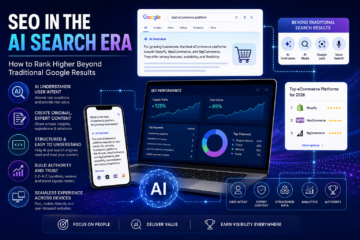
As search engines continue to evolve, mobile SEO will become even more user-focused. Voice search, AI-powered search experiences, visual search, and personalized recommendations are already influencing how customers discover products online.
Businesses that invest in technical SEO, quality content, and exceptional mobile experiences will be better positioned to compete in the increasingly digital marketplace.
Final Thoughts
SEO is one of the most valuable long-term investments for any m-commerce business. By optimizing your mobile store for search engines and users alike, you can increase visibility, attract high-intent shoppers, and build a sustainable source of organic traffic.
Rather than chasing short-term results, focus on creating a fast, user-friendly, and content-rich mobile shopping experience. Over time, these efforts will not only improve your search rankings but also strengthen customer trust and drive consistent business growth.
Whether you’re launching a new mobile commerce platform or enhancing an existing one, a strong SEO strategy is essential for staying competitive in today’s mobile-first world.

0 Comments